Growing produce & community
at Creigiau allotments
The allotment garden in Creigiau was started in 1977 and has been managed by the Dynevor Gardening Asociation (DGA) ever since. We know that growing produce as part of a community is great for the soul and can be great for the soil too too.
As the impacts of climate-change increase year on year, we're improving local food resilience and encouraging biodiversity through shared knowledge and friendship.

Cultivating Growth:
Our Allotment Resources

Shared Equipment
Borrow specialist machinery including rotavators, strimmers, mowers, wheel barrows - all maintained by dedicated members of our committee team.
We can provide tool storage for those who need it, and can organise training sessions to ensure plot holders can be safe and confident when using the machinery
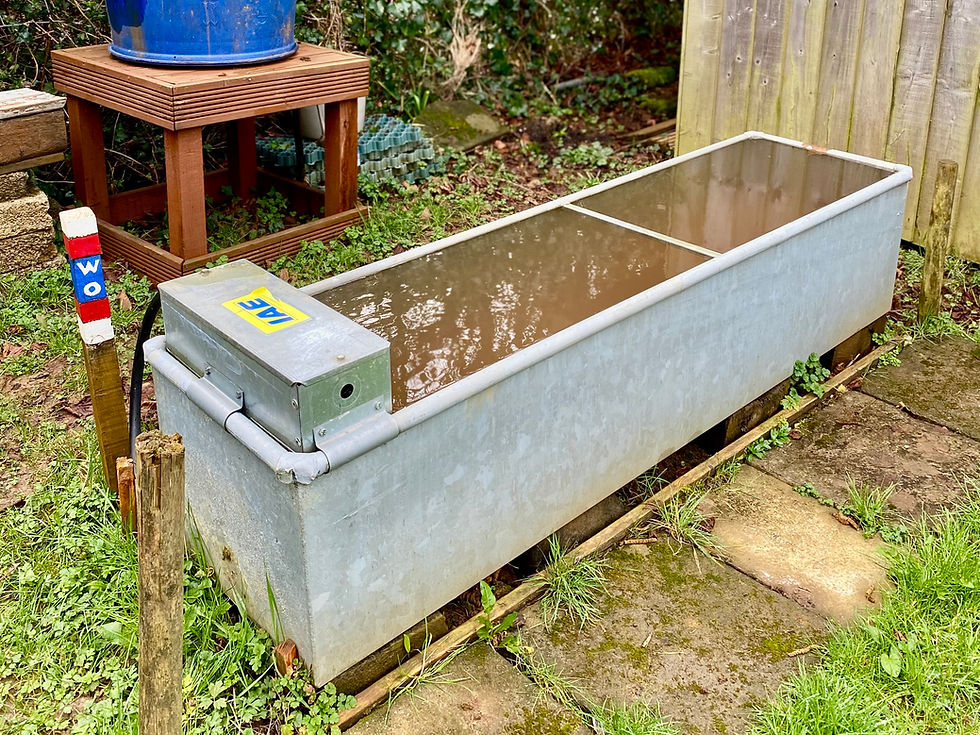
Water Management
Our site has shared access to numerous water dips and some plots host 1000L storage containers capturing rain-water to ensure sustainable irrigation throughout the year.
All plot holders are encouraged to keep a water butt on their plot (wherever possible) to keep mains water use to a minimum

Kings Seeds
As members of the National Allotment Society, all plot holders can benefit from a great discount with Kings Seeds.
Their on-line brochure has an extensive selection of fruit and vegetable seeds, all carefully selected varieties that are known to do well in the UK climate
Management Committee / Responsibilities

Gareth Banks

Amanda Thorpe
Plot 9A & 9B
Chair of the Allotment Committee
Main point of contact for plot holders
Lead committee meetings and AGM
Act as main representative with the landowner (PCC)
Help resolve disputes and complaints
Support and coordinate all committee activities
Issue news and updates to plot holders as required
Plot 8C & 14A
General Secretary.
Principal administration and correspondance
Organise meetings (agenda, minutes, correspondence)
Maintain membership records
Manage the waiting list & process new appications
Managing official correspondence & important documents (leases, policies, insurance etc.)

Peter Goodwin

Nia Honeybun
Treasurer
Plot 12A
Manage the DGA bank account
Collect plot-rents & membership fees
Pay site related bills (e.g. insurance) Reimburse expenses
Keep accurate financial records
Prepare annual accounts / reports
Present the accounts at the AGM
Social Secretary
Plot 13A
The point of contact for all things social!
Orangise social events
Promote community engagement
Manage fundraising activities

Chris Johnson

Phil Goodall
Plot / Site Management
Plot 1B & 10B
Conduct plot inspections
Monitor and improve on-site water management
Co-ordinate site maintenance
(trees, fencing etc.)
Conduct plot viewings
Plot / Site Management
Plot 6A
Conduct plot inspections
Monitor and improve on-site
water management
Co-ordinate site maintenance
(trees, fencing etc.)
Conduct plot viewings

Allotment sites usually include diverse crops, wildflowers, ponds, compost heaps and hedges - creating habitats for pollinators, birds and beneficial insects.
Boosts local biodiversity
Growing food on an allotment is also likely to produce a lot less waste than shop-bought fruit and vegetables, as supermarkets generally stock unnaturally perfect examples of both, and we never see the huge amounts of (perfectly good) rejects that never make it onto the shelves.
Produces much less waste


No single use (plastic) packaging
Food from our allotments also comes without any additional packaging of course, avoiding the use of materials and energy needed to make what’s often single use plastic packaging that only gets used for a very short period before ending up in our recycling bins.
Reduces reliance on industrial agriculture
Allotments avoid the heavy machinery, synthetic fertilisers and pesticides that contribute to soil degradation, water pollution and biodiversity decline from mono-culture crop production.

Allotment grown produce massively reduces the Greenhouse Gas impacts that are associated with all shop-bought foods, which will usually involve the extensive use of fossil-fuels needed for growing, harvesting, (cold) storing, processing and transportation.
Reducing Greenhouse Gas impacts
We're keen to encourage all our members to adopt planet-positive gardening practices that support our local biodiversity and help mitigate the impacts of climate change. Thankfully, growing food and vegetables close to where we live is an inherently planet-positive thing to do, for a whole host of reasons :
The many benefits of growing
your own produce ...

Improves soil health naturally
Allotment gardeners typically use composting, mulching and crop rotation, which build soil organic matter and increase carbon sequestration compared with conventional farming.
The soil on most allotments will typically have lots of earthworms in a vibrant soil ecosystem that's alive with biodiversity and micronutrient richness
